

The Reflecting Pools: History, Meaning & What to Know
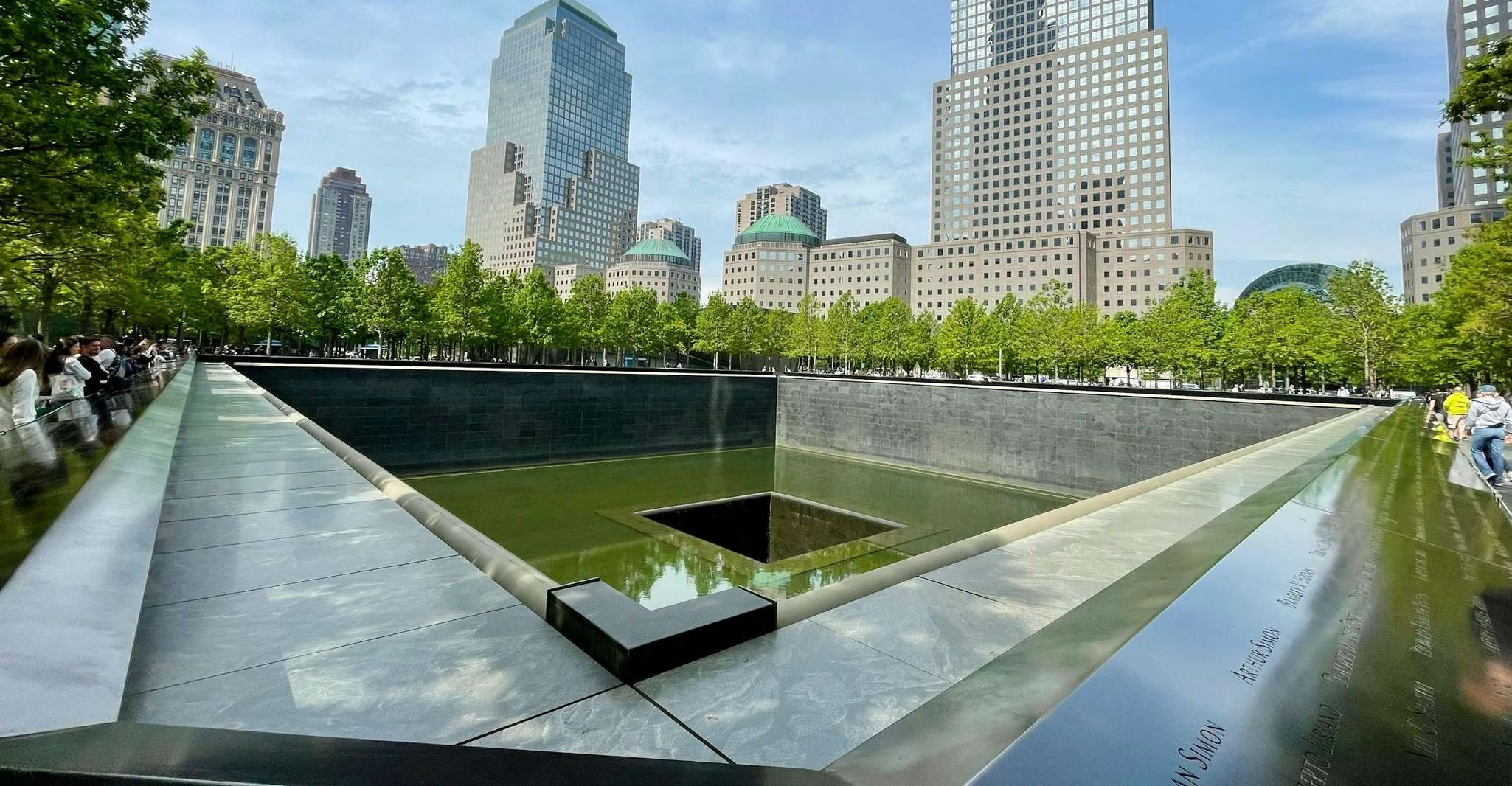
The two reflecting pools occupy the exact footprints of the Twin Towers, each nearly an acre in size, with water falling down their walls in the largest man-made waterfalls in North America before descending into a central void. Designed by Michael Arad as “Reflecting Absence,” with landscape architect Peter Walker, the pools are surrounded by bronze parapets inscribed with the names of the nearly 2,983 people killed in the attacks of September 11, 2001, and the 1993 World Trade Center bombing. The pools are part of the outdoor Memorial plaza, which is free and open daily.
The reflecting pools are the physical center of the National September 11 Memorial. They mark the ground where the Twin Towers once stood, and they are usually the first thing visitors see on the plaza. This guide explains what the pools represent, how they were designed, and what to know before you visit — including the quiet etiquette expected of everyone who stands at their edge.
Design and Meaning: “Reflecting Absence”
The two pools sit precisely within the footprints of the North and South Towers, each nearly an acre in size. Water flows from all four sides of each pool down thirty-foot walls, forming the largest man-made waterfalls in North America, before draining into a smaller square opening at the center of each pool. That central void never fills — the water simply continues downward and out of sight, a design intended to evoke absence and loss rather than resolution.
The design is called “Reflecting Absence.” It was created by architect Michael Arad, working with landscape architect Peter Walker, and selected in 2004 through an international competition that drew more than five thousand entries. The Memorial opened on the tenth anniversary of the attacks, September 12, 2011. For a fuller comparison of the outdoor plaza and the underground galleries, see our guide to the Memorial versus the Museum.
The Names on the Bronze Parapets
Bronze parapets surround each pool, inscribed with the names of the nearly 2,983 victims of September 11, 2001, and the earlier 1993 bombing of the World Trade Center. The names are not listed alphabetically. Instead, they are arranged according to “meaningful adjacencies” — requests from families to place a name near colleagues, friends, or loved ones who died alongside them. Our companion guide to the names at the Memorial explains how the arrangement works and how to locate a specific name.
Visiting the Pools: What to Know
The reflecting pools are part of the outdoor Memorial plaza, which is free and requires no ticket. The plaza is open daily; see our Memorial and Museum hours guide for the current schedule. Because the plaza sees the heaviest foot traffic in the middle of the day, the pools are most contemplative early in the morning or in the evening, when the crowds thin and the sound of the falling water is easier to hear. Our guide to the best time to visit covers these quieter windows in more detail.
Bring time rather than a checklist. Many visitors walk the full perimeter of both pools slowly, pausing at names they recognize or simply standing with the water’s sound. There is no faster way to see the pools that captures what they are meant to convey.
Etiquette at the Pools
The parapets are part of a memorial to those killed on September 11, 2001, and in 1993, and visitors are asked to treat them accordingly. Do not sit or lean on the bronze parapets, and do not place objects, including coins, in the water. Some visitors leave flowers or small mementos beside a name; staff and volunteers periodically collect these with care. Photography is permitted, but be mindful of others who may be visiting a specific name in mourning. Our full rules and etiquette guide covers expectations for the wider site.
Frequently Asked Questions
What are the reflecting pools at the 9/11 Memorial?
They are two large pools, each nearly an acre, built within the footprints of the Twin Towers. Water descends their walls in the largest man-made waterfalls in North America before disappearing into a central void. They form the centerpiece of the outdoor Memorial plaza.
Why were the pools built in the shape of the towers’ footprints?
The footprints mark the exact location where the North and South Towers stood before the attacks of September 11, 2001. Placing the pools there ties the Memorial directly to the ground where those killed died, rather than to a symbolic or relocated site.
Who designed the reflecting pools?
The pools were designed by architect Michael Arad under the concept “Reflecting Absence,” in collaboration with landscape architect Peter Walker. Their design was chosen in 2004 from a global competition, and the Memorial opened on September 12, 2011.
How big are the reflecting pools?
Each pool is nearly an acre in surface area, set within the roughly eight-acre Memorial plaza. Water falls about thirty feet down each pool’s inner walls before reaching the smaller central opening at the bottom.
Is there a cost to see the reflecting pools?
No. The pools are part of the outdoor Memorial plaza, which is free and open to the public daily, with no ticket required. Only the underground Museum, a separate ticketed attraction, has an admission charge; see our ticket prices guide for details.
What is inscribed on the parapets around the pools?
The bronze parapets bear the names of the nearly 2,983 people killed in the September 11, 2001 attacks and the 1993 World Trade Center bombing. Names are grouped by “meaningful adjacencies” reflecting relationships among the victims, rather than listed alphabetically.
Can I touch the water or place something at a name?
Visitors should not lean or sit on the parapets or place coins or other objects in the water. Small tributes, such as flowers, are sometimes left beside a name and are collected respectfully by Memorial staff. The space is treated as a place of mourning rather than a fountain or attraction.
When is the best time to visit the reflecting pools?
Early morning and evening tend to be the quietest, giving visitors more space to read names and take in the sound of the water. Midday hours draw the largest crowds, particularly in the warmer months and around the September 11 anniversary.
