

The Survivor Tree: Story, Meaning & Where to Find It
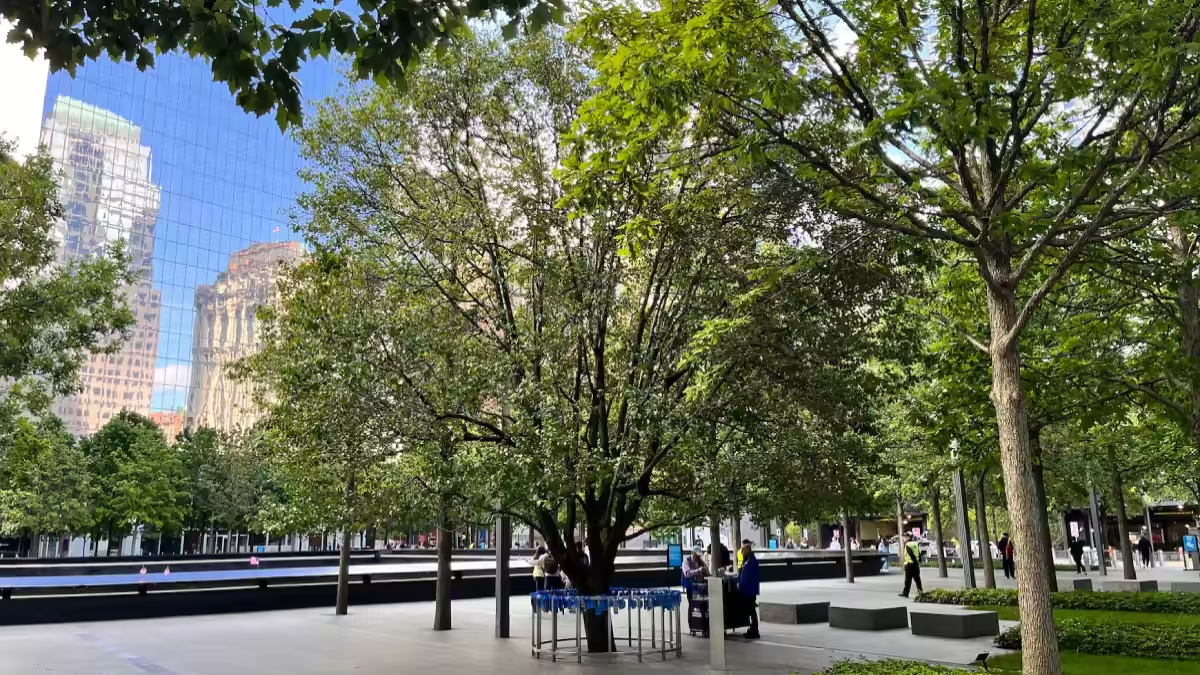
The Survivor Tree is a Callery pear that was pulled, badly burned and broken, from the rubble of the World Trade Center in October 2001. The New York City Parks Department nursed it back to health over nearly a decade, and it was replanted on the Memorial plaza in 2010. It now stands as a living symbol of resilience and rebirth, and each year the Memorial gives seedlings grown from it to communities that have endured their own tragedies.
Most of what stands on the Memorial plaza was designed and built after the attacks. The Survivor Tree is different — it was already there. This single Callery pear lived through the collapse of the towers and, after years of careful care, returned to the same ground where it was found.
This guide covers the tree’s history, what it has come to represent, where to find it on the plaza, and the seedling program that carries its story to other communities.
A Tree Recovered from the Rubble
In October 2001, recovery workers clearing the World Trade Center site found a Callery pear tree in the wreckage, its trunk charred and its roots badly damaged. It had been planted in the original WTC plaza years before the attacks. The tree was in poor condition — reduced to an eight-foot stump with a single living branch — but it had not been destroyed, and workers chose to save it rather than remove it with the rest of the debris.
Nursed Back to Health
The New York City Department of Parks and Recreation took the damaged tree into its care, moving it to a nursery in the Bronx where horticulturists tended to its burns and broken roots for years. It survived a further setback in 2010, when a storm uprooted it shortly before it was due to return downtown, but it recovered again. By the time it was ready to go home, it had spent nearly a decade in recovery — longer than the time between the attacks and the Memorial’s opening.
Replanted on the Memorial Plaza
The Survivor Tree was replanted on the Memorial plaza in 2010, ahead of the Memorial’s public opening the following year. Unlike the rest of the plaza’s approximately 400 swamp white oaks, it was placed among them as the one tree with direct ties to the World Trade Center itself. Its bark is visibly different from the trees around it, a reminder of what it went through before it returned.
What the Tree Has Come to Mean
The Survivor Tree is widely understood as a living symbol of resilience, survival, and renewal. Where the rest of the Memorial documents loss, the tree represents what endured and continued to grow, offering visitors a different kind of reflection alongside the reflecting pools and the inscribed names.
For many visitors, the tree offers a counterpoint to the rest of the site. The reflecting pools and the names inscribed around them commemorate those who were killed; the Survivor Tree, still growing in the same soil, speaks to what carried on. It is a quiet, unhurried part of a visit, and one many people return to after spending time at the pools.
Where to Find It on the Plaza
The Survivor Tree stands on the Memorial plaza itself, among the rows of swamp white oaks, near the southwest corner of the site. It is clearly marked and easy to identify, both by its signage and by its bark and branch structure, which look different from the oaks planted around it. Because the plaza is outdoors and free to enter, you can visit the tree at any time during the Memorial’s daily 8 AM–8 PM hours, without a Museum ticket. Inside the Museum, a related exhibit tells the story of the tree’s recovery in more detail.
The Survivor Tree Seedling Program
Each year, the 9/11 Memorial grows seedlings from the Survivor Tree and gives them to communities elsewhere in the country that have experienced their own tragedies, including acts of mass violence and other disasters. The gesture extends the tree’s meaning beyond the Memorial plaza, carrying a small, living piece of it to places that are going through their own process of recovery. It is one of the few ongoing programs at the site that connects the Memorial directly to communities far from Lower Manhattan.
Frequently Asked Questions
What is the Survivor Tree?
The Survivor Tree is a Callery pear tree that was recovered, badly burned and broken, from the rubble of the World Trade Center in October 2001. It was nursed back to health over several years by the New York City Parks Department and replanted on the Memorial plaza in 2010. It is now regarded as a living symbol of resilience and renewal.
Where is the Survivor Tree located on the 9/11 Memorial plaza?
It stands on the outdoor Memorial plaza, near the southwest corner of the site, among the plaza’s rows of swamp white oaks. It is marked with signage and is easy to identify by its bark, which looks noticeably different from the surrounding trees. You can visit it any day during the Memorial’s free daily hours.
How was the Survivor Tree damaged and recovered?
The tree was found in the World Trade Center wreckage in October 2001, reduced to a charred stump with one surviving branch. Recovery workers chose to save it rather than clear it away, and the New York City Department of Parks and Recreation moved it to a nursery for long-term care, including recovering from a storm that uprooted it in 2010.
What kind of tree is the Survivor Tree?
It is a Callery pear (Pyrus calleryana), a species commonly planted in urban settings for its hardiness. It had been growing in the original World Trade Center plaza before the attacks, which is why it was present in the wreckage when recovery crews found it.
What does the Survivor Tree symbolize?
The tree is widely seen as a symbol of resilience, survival, and rebirth. Where much of the Memorial is dedicated to remembering those who were killed, the Survivor Tree represents what endured, offering a different kind of reflection for visitors alongside the reflecting pools and the inscribed names.
What is the Survivor Tree seedling program?
Each year, the Memorial grows seedlings from the Survivor Tree and gives them to communities elsewhere that have experienced their own tragedies, such as acts of mass violence. The program extends the tree’s story of recovery to places well beyond the Memorial plaza.
Is the Survivor Tree the original tree from before the attacks?
Yes. It is the same tree that stood on the original World Trade Center plaza, recovered from the rubble rather than planted afterward. That continuity is part of why it holds particular significance for visitors and for the Memorial itself.
Can I visit the Survivor Tree for free?
Yes. The tree is on the outdoor Memorial plaza, which is free to enter and open daily from 8 AM to 8 PM, with no ticket required. You do not need a Museum admission to see it, though the Museum’s exhibits provide additional background on its recovery.
