

Accessibility Guide to the 9/11 Memorial & Museum
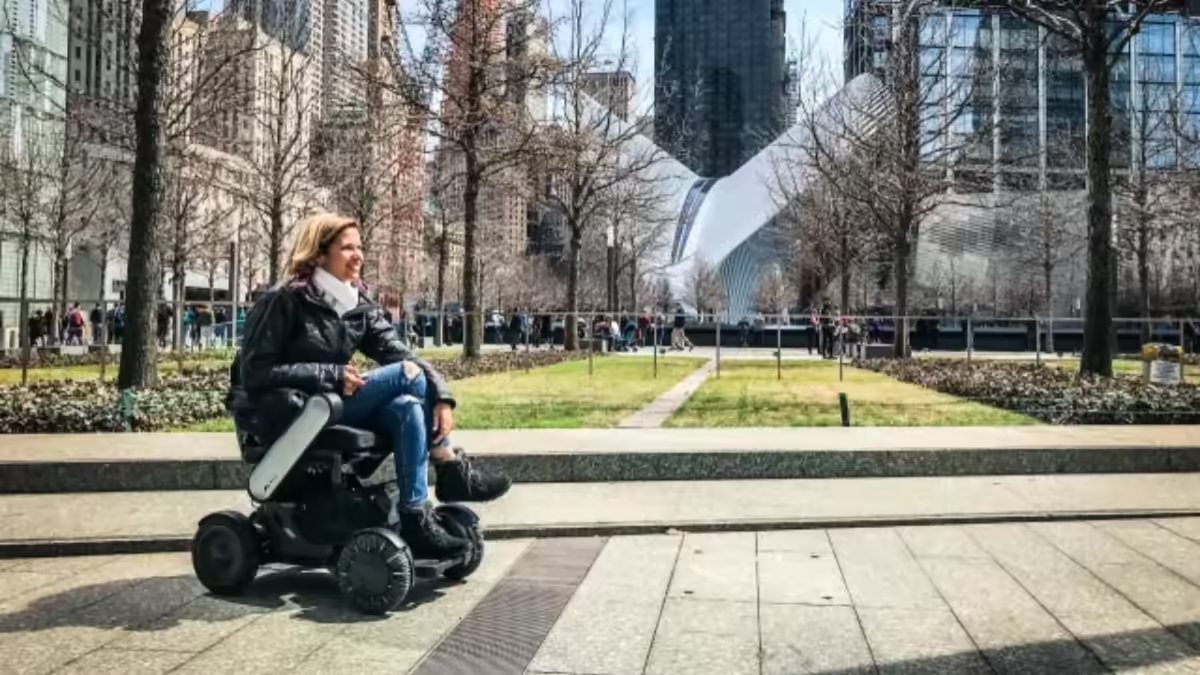
The outdoor Memorial plaza and the underground Museum are both largely wheelchair accessible, with step-free routes, elevators between Museum levels, and accessible restrooms throughout. Wheelchairs are available to borrow, and the Museum offers assistive listening devices, open captioning, and audio guides for visitors who are Deaf, hard of hearing, blind, or low-vision. Because the Museum’s exhibits can be emotionally intense, it also helps to plan for quieter times and breaks. Confirm current details for your visit date on the official site.
The 9/11 Memorial & Museum was built with accessibility in mind, from the outdoor plaza down to the underground exhibition halls. This guide covers what to expect if you use a wheelchair or mobility device, are Deaf or hard of hearing, are blind or low-vision, or simply want to plan a calmer, less overwhelming visit.
Because the site combines a free outdoor Memorial with a ticketed underground Museum, accessibility needs and routes differ slightly between the two — both are covered below.
Wheelchair and Mobility Access
Both the outdoor Memorial plaza and the underground Museum offer step-free, wheelchair-accessible routes, including elevators between Museum levels and accessible restrooms. A limited number of wheelchairs can be borrowed on-site for visitors who need one. Paths on the plaza are paved and level, making them manageable for wheelchairs, walkers, and strollers alike.
The Memorial plaza’s pathways around the twin reflecting pools are paved and level, so visitors using wheelchairs, walkers, or other mobility devices can move through the outdoor space without steps or steep grades. The Museum, which sits below ground, is reached by elevator rather than stairs, and elevators also connect the different levels of the exhibition once inside. Accessible restrooms are available both on the plaza and within the Museum. If you don’t have your own mobility device, a limited number of wheelchairs are available to borrow at the Museum on a first-come basis, so it’s worth asking at admissions when you arrive. Because gallery routes can be indirect in places, allow a little extra time; our guide on how long to spend at the 9/11 Memorial & Museum can help with planning.
For Deaf and Hard-of-Hearing Visitors
The Museum provides assistive listening devices and offers open captioning for its films and audio-visual exhibits. Staff can direct visitors to captioned presentations and quieter viewing areas. Confirm the current schedule of captioned showings on the official site before your visit.
Much of the Museum’s storytelling is delivered through recorded oral histories, films, and audio elements, so the site provides assistive listening devices to amplify sound for visitors who need it, along with captioning on video presentations. Staff at admissions and throughout the galleries can point you to captioned screenings and to exhibits that rely more on visual and written material. If you’re planning a visit around a specific captioned showing, it’s worth checking the official site or asking ahead, since schedules can vary by day.
For Blind and Low-Vision Visitors
Audio guides are available to help blind and low-vision visitors navigate the Museum and understand its exhibits. Tactile elements, such as the Survivor Tree and portions of the Museum’s architecture, can be experienced by touch in some areas. Ask staff on arrival about the best route and any available described-tour options.
Audio guides, available at the Museum, give blind and low-vision visitors a narrated path through the exhibits, describing key artifacts and the layout of each gallery. Outdoors, the Survivor Tree and the bronze parapets bearing the names around the reflecting pools offer a tactile way to connect with the site. Staff can advise on the most manageable route through the Museum’s lower levels and let you know about any described-tour offerings running on the day of your visit.
Sensory Considerations
The Museum documents the events of September 11, 2001, in unflinching detail, including recorded sounds, first-person accounts, and images from that day, which some visitors find overwhelming. Arriving earlier in the day tends to mean smaller crowds and a calmer pace. Staff can point out quieter corners and it is entirely appropriate to step outside to the plaza for a break at any point.
The Museum’s exhibits are historically thorough and, by necessity, unflinching — visitors will encounter recorded phone calls, firsthand testimony, and imagery from the attacks. This can be difficult for some visitors, including those sensitive to loud or sudden sound, crowded spaces, or intense subject matter. Arriving near opening, on a weekday, or outside of peak season tends to mean a quieter, less crowded experience; see the best time to visit for details. There is no obligation to see every exhibit in one visit, and stepping back out to the open-air plaza for a few minutes is a normal and accepted way to take a break before continuing.
Service Animals
Service animals are welcome throughout the outdoor Memorial and the Museum. As with any ticketed cultural site, it’s sensible to mention that you’re bringing a service animal when you book or arrive, so staff can advise on the best route.
Getting There: Accessible Transit and Drop-Off
The World Trade Center site is well served by accessible transit. The Oculus, the transit hub adjoining the site, has elevator access and connects to PATH trains as well as several subway lines, and a number of nearby subway stations along the routes to the Memorial are also elevator-accessible. Rideshare and taxi drop-off is straightforward at the plaza’s street-level entrances.
Planning Ahead
Because accessibility features, elevator status, and specific accommodations can change, it’s worth confirming current details for your visit date on the official site before you go, particularly if you have a specific requirement such as a captioned showing or a borrowed wheelchair. Visitors bringing children may also want to read our guide to visiting with children for related planning notes, and our overview of the Memorial versus the Museum explains the distinction between the two spaces described throughout this guide.
Frequently Asked Questions
Is the 9/11 Memorial & Museum wheelchair accessible?
Yes. The outdoor Memorial plaza has level, paved pathways, and the underground Museum is reached and navigated by elevator rather than stairs. Accessible restrooms are available in both areas. A limited number of wheelchairs can also be borrowed on-site.
Can I borrow a wheelchair at the Museum?
Yes, a limited number of wheelchairs are available to borrow on a first-come, first-served basis. It’s best to ask at the admissions desk when you arrive, since availability can vary by day.
Does the Museum offer help for Deaf or hard-of-hearing visitors?
Yes. Assistive listening devices are available, and the Museum’s films and audio-visual exhibits include open captioning. Staff can direct you to captioned screenings and quieter viewing areas.
Is there support for blind or low-vision visitors?
Yes. Audio guides are available to narrate the Museum’s layout and exhibits, and some elements, such as the Survivor Tree and the bronze parapets around the reflecting pools, can be experienced by touch. Staff can help you plan the most manageable route.
Are service animals allowed?
Yes, service animals are welcome throughout the outdoor Memorial and the Museum. It’s helpful to mention that you’re bringing one when booking or on arrival so staff can assist as needed.
Is the Museum difficult for visitors sensitive to intense content?
It can be. The Museum presents detailed, sometimes graphic material about the attacks, including recorded sound and firsthand accounts, which some visitors find overwhelming. Visiting earlier in the day, pacing yourself, and stepping outside to the plaza for a break are all reasonable ways to manage this.
How do I get to the site using accessible transit?
The Oculus transit hub and several nearby subway stations along common routes to the World Trade Center site are elevator-accessible, and street-level drop-off is available for taxis and rideshares. See our guide on getting to the 9/11 Memorial for full route details.
Where can I confirm the latest accessibility information?
Because specific accommodations, elevator status, and captioned-showing schedules can change, confirm current details for your visit date on the official site before you go, especially if you have a particular requirement.
