

What to See at the 9/11 Memorial & Museum
From the twin reflecting pools and the Survivor Tree on the plaza to Foundation Hall and the Last Column below ground, this is a site that rewards knowing what to look for. The outdoor memorial and the museum galleries are two very different experiences, and 90 minutes is a realistic minimum inside. Start with the highlights below, then go deeper into the exhibits that matter most to you.
Top Highlights at the 9/11 Memorial & Museum
The headline sights and experiences most visitors want to see first.
9/11 Museum Exhibits & Layout
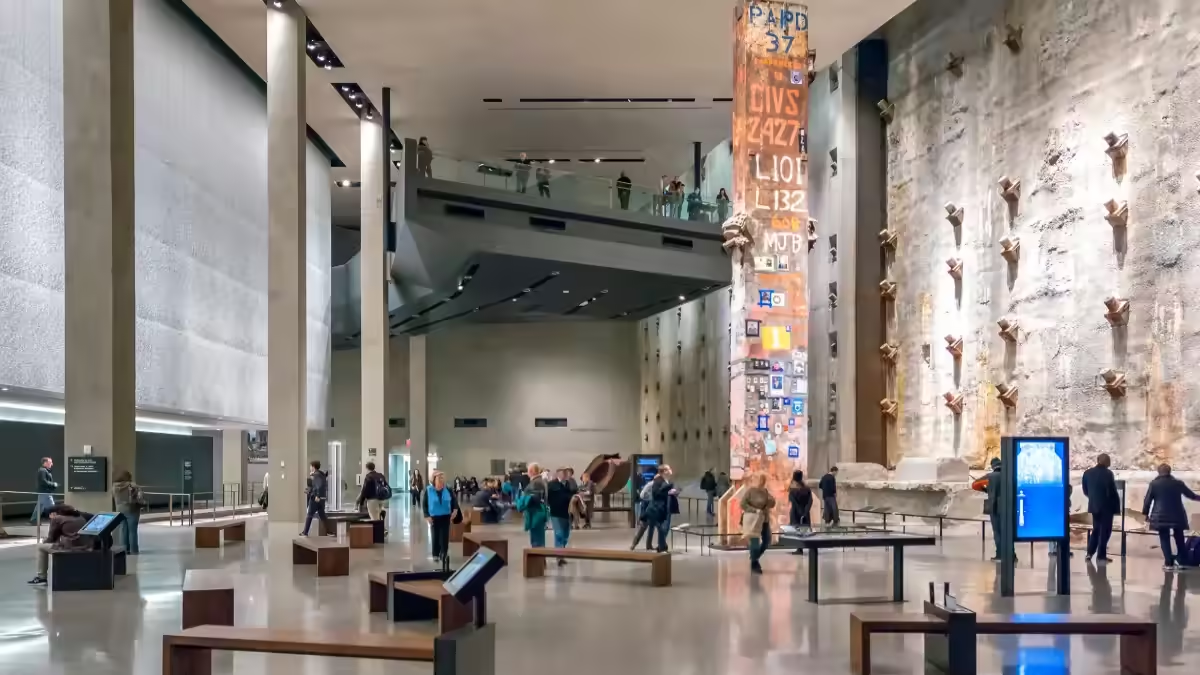
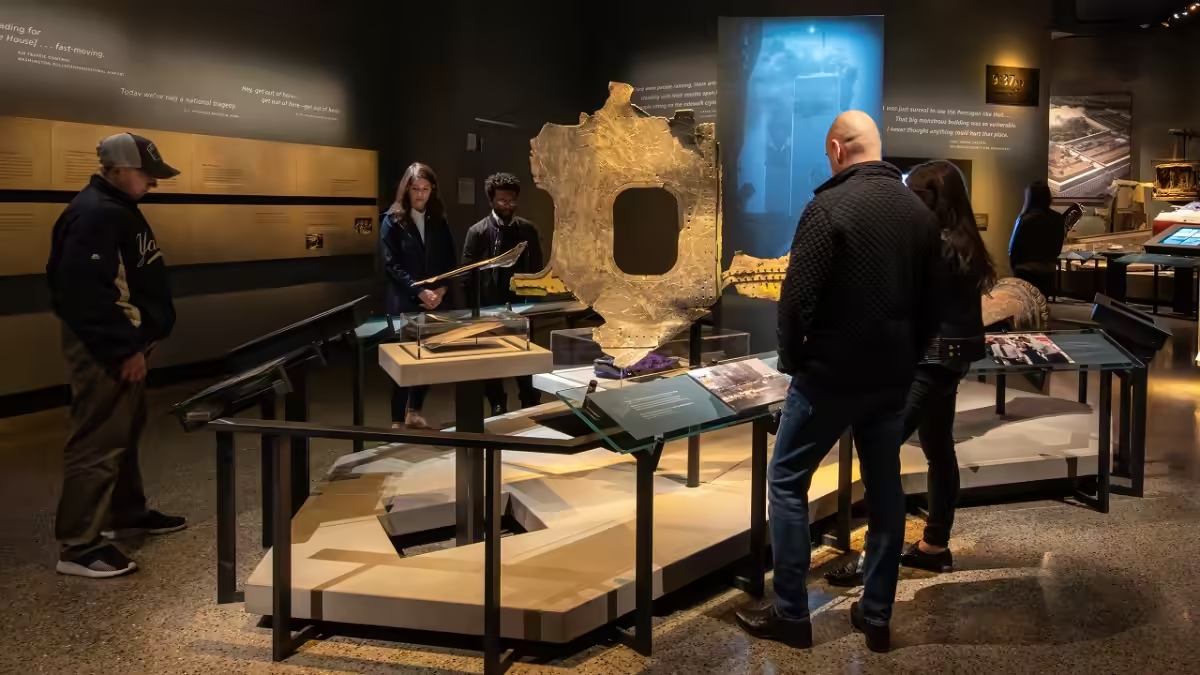
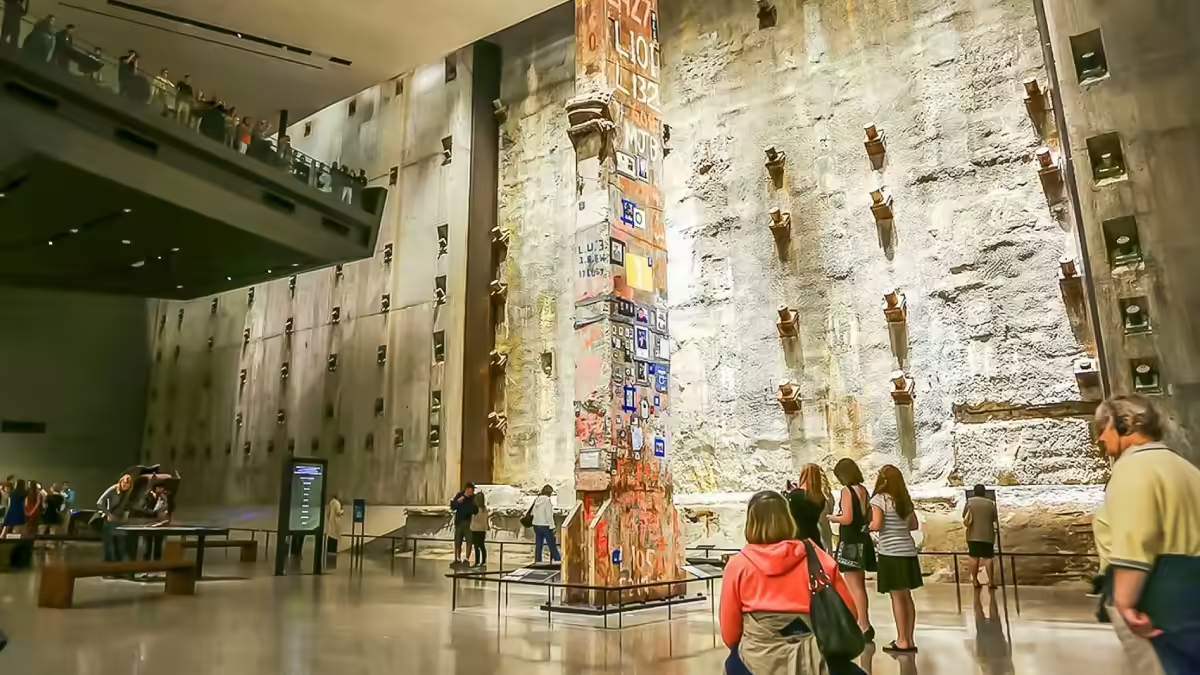
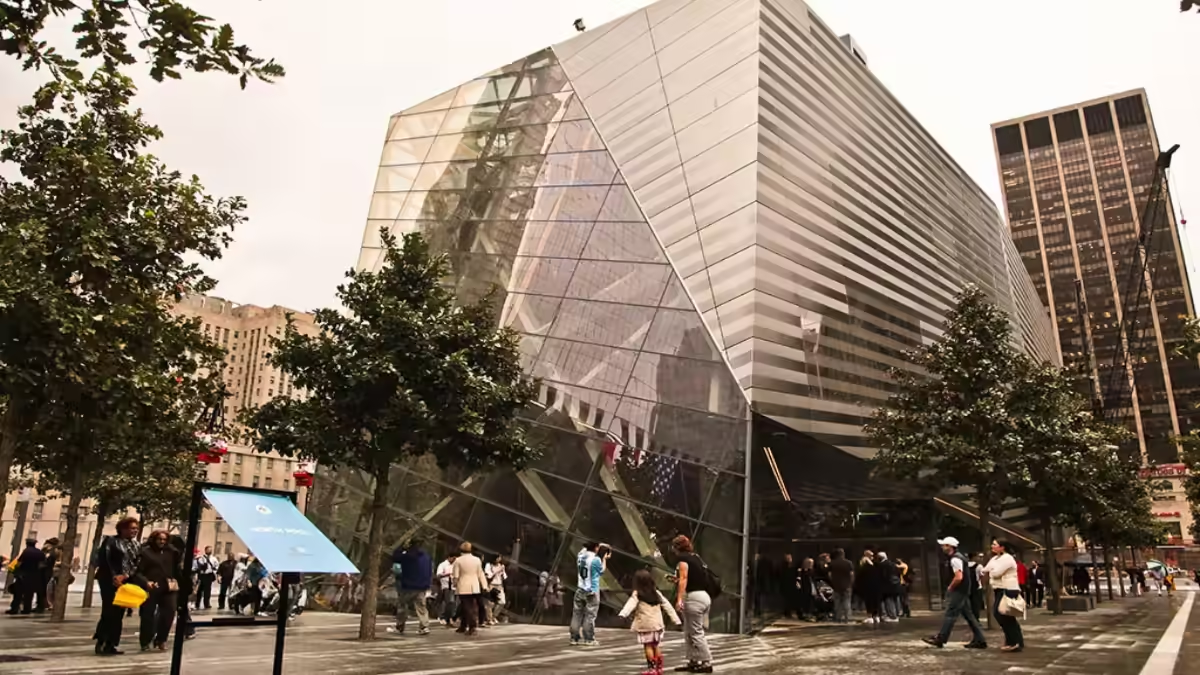
Descend by ramp to bedrock level, where Foundation Hall’s 36-foot Last Column stands against the original slurry wall. The historical exhibition traces September 11, 2001 hour by hour alongside the 1993 bombing, while In Memoriam names all 2,983 victims. Allow two hours minimum.
Explore →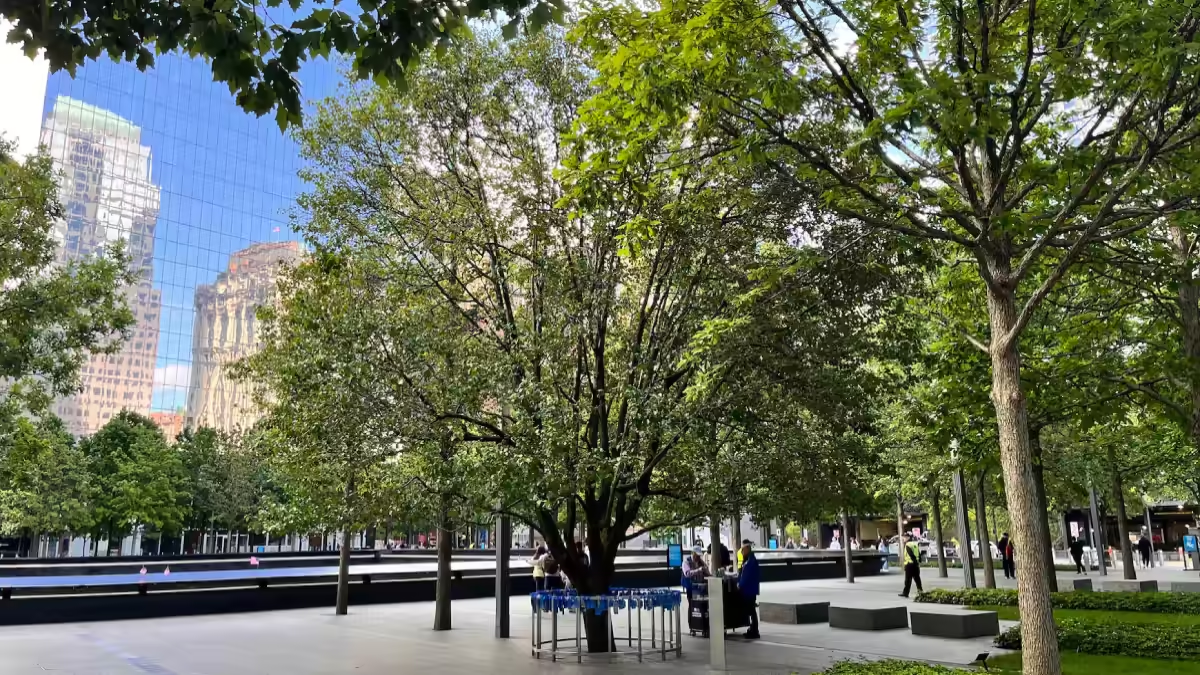
Survivor Tree: Recovered & Replanted
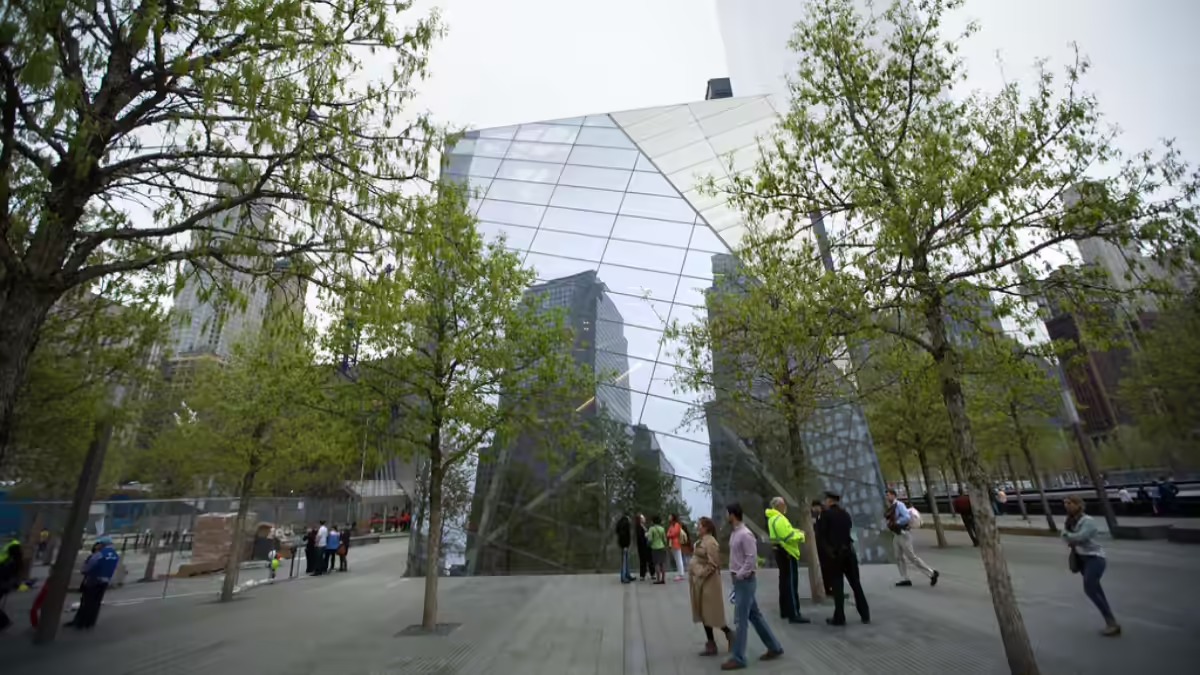
Standing at the plaza’s edge, you’ll find a Callery pear noticeably different from the swamp white oaks around it — the one pulled charred and snapped from the rubble in October 2001, nursed back by NYC Parks and replanted here in 2010. Its grafted scars are still visible.
Explore →Outdoor tributes at the 9/11 Memorial & Museum
The reflecting pools, the Memorial Glade and the arrangement of the names.
Reflecting Pools: History & Meaning
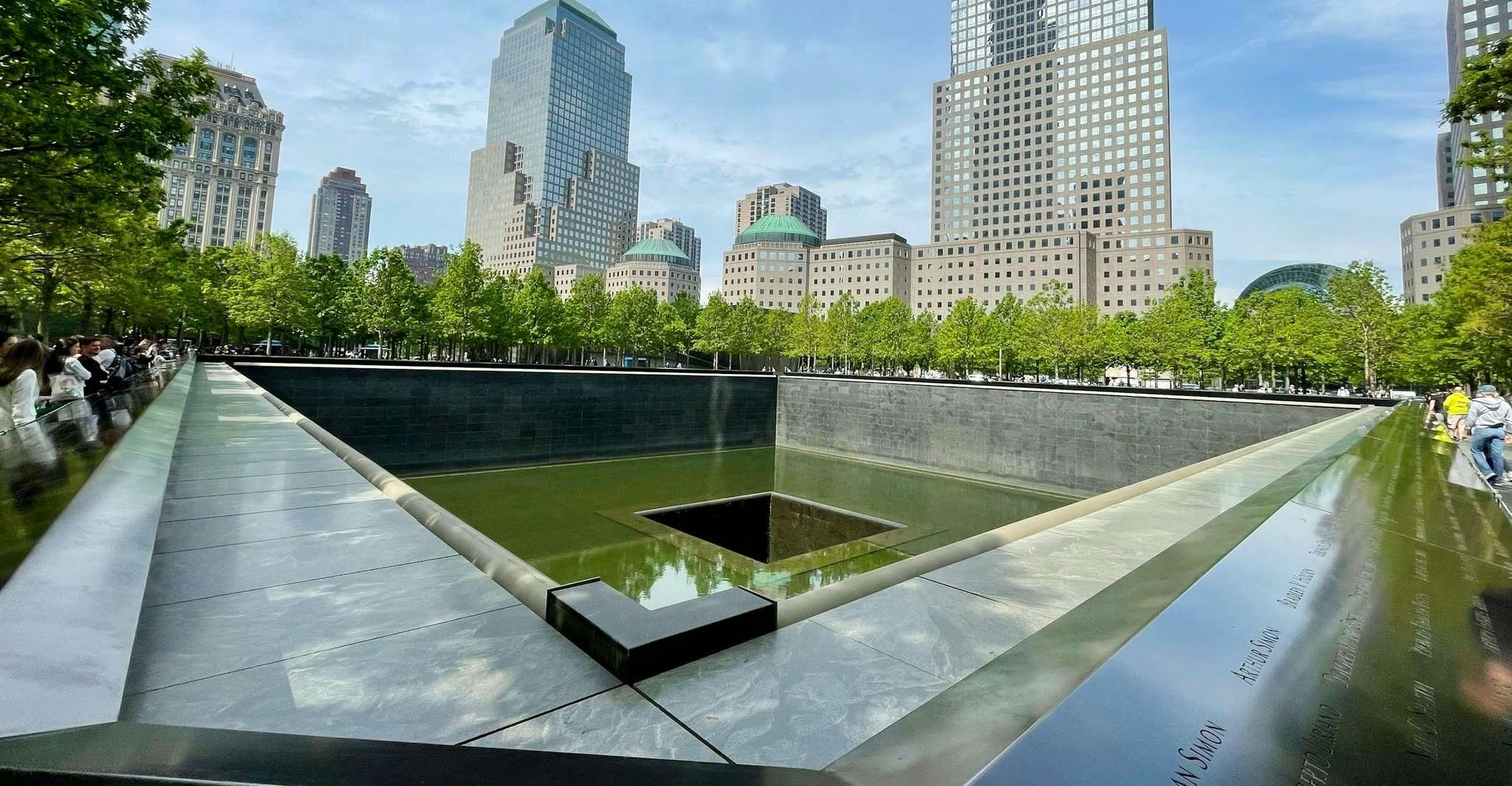
The reflecting pools sit in the towers’ original footprints, descending below street level into dramatic twin voids. Each features one of North America’s largest man-made waterfalls, creating a contemplative sanctuary. The pools’ design and the names inscribed around them carry profound symbolic meaning.
Read guide →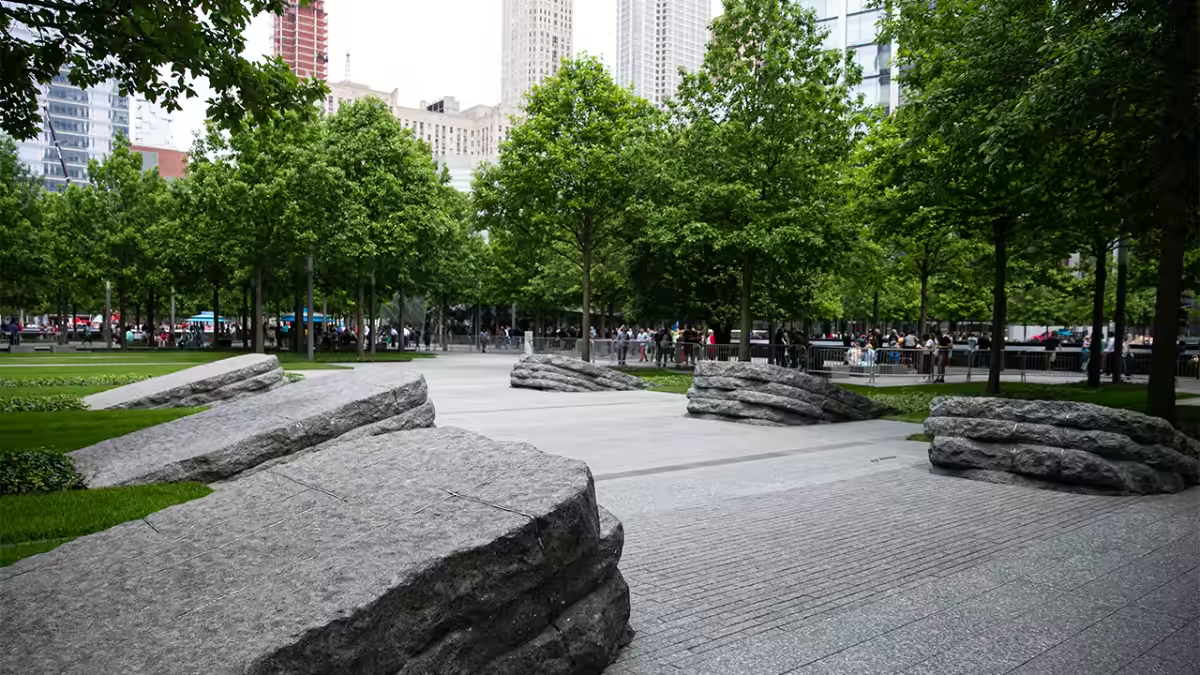
Memorial Glade: History & Meaning
Dedicated in 2019, the Memorial Glade honors those who died or became ill from 9/11-related toxin exposure. This plaza addition recognizes often-overlooked victims of the disaster. Located within the memorial grounds, it provides a reflective space for remembrance.
Read guide →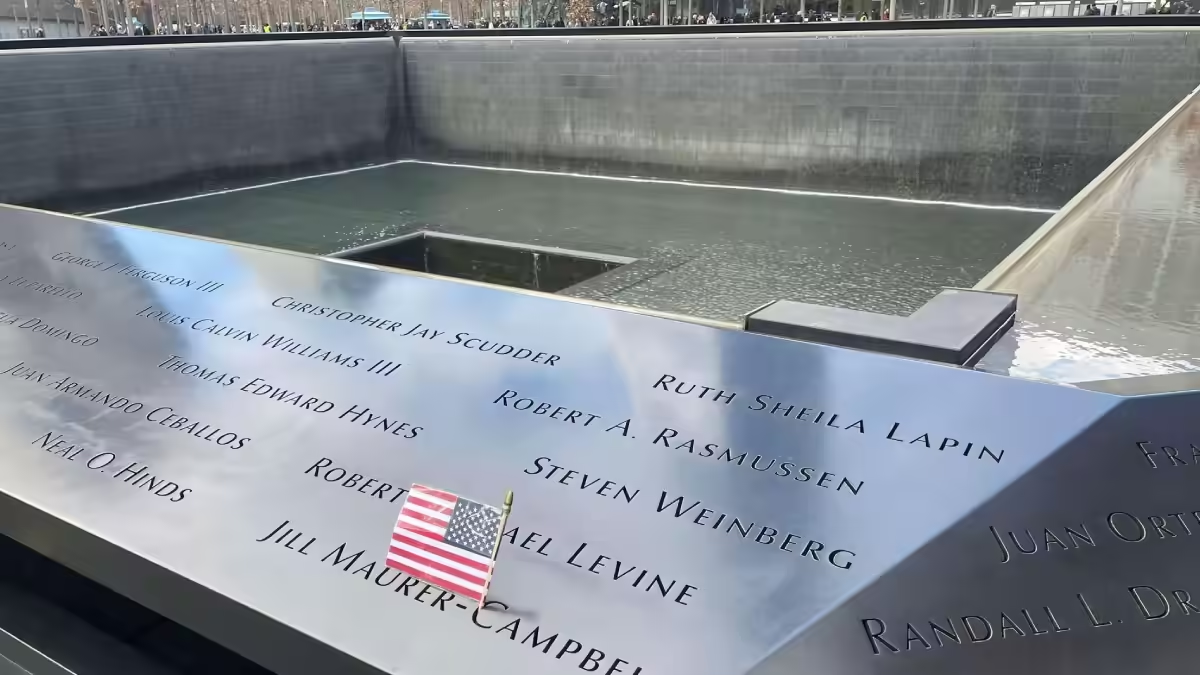
Memorial Names: Meaningful Arrangement
Nearly 2,983 victims’ names are inscribed in bronze around the Memorial pools. Rather than arranged alphabetically, the names are grouped by meaningful connections—family ties, workplace relationships, and rescue workers’ proximities. This thoughtful arrangement deeply personalizes each name for visitors.
Read guide →Inside the 9/11 Memorial & Museum galleries
Foundation Hall, the Last Column, the exhibitions showing right now, and how the Museum differs from the Memorial above.
Foundation Hall & Last Column
Foundation Hall houses the original slurry wall and the Last Column—the final steel beam recovered from Ground Zero. These iconic artifacts directly connect visitors to the site’s physical reconstruction and resilience. Both are featured prominently within the 9/11 Museum.
Read guide →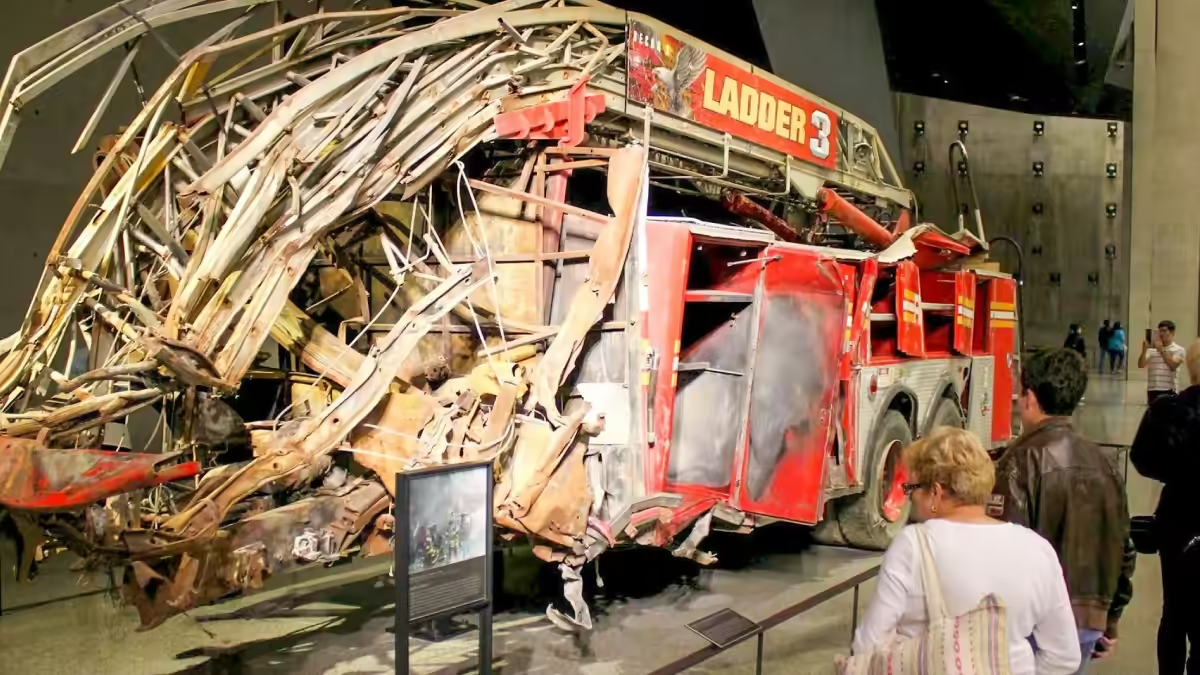
9/11 Museum Rotating Exhibitions
The 9/11 Museum features a rotating program of special exhibitions that complement its two permanent galleries. These changing displays explore diverse aspects of the events and their aftermath. This guide explains how the exhibition schedule works and how to check what’s currently on display.
Read guide →
9/11 Memorial vs. Museum
The free, outdoor 9/11 Memorial welcomes visitors daily for quiet, respectful reflection. The ticketed Museum ($36, Wed-Mon) offers immersive exhibits and survivor stories for deeper understanding. Together, they provide a complete and profoundly meaningful experience at this vital landmark.
Read guide →How to Choose What to See at the 9/11 Memorial & Museum
A quick guide based on your interests and visit style.
Just One Hour Onsite
With a single hour, stay above ground on the memorial plaza — it’s free, needs no timed ticket, and holds the site’s most powerful moments.
- Walk both reflecting pools set in the exact footprints of the North and South Towers
- Trace the bronze parapets and look for the white rose marking a birthday among the inscribed names
- Stop at the Survivor Tree on the plaza’s eastern edge before you leave
- Skip the museum entirely — 90 minutes is the realistic minimum inside
First Time Visiting
Two separate experiences share one site, and knowing the difference before you arrive shapes your whole visit.
- Understand the split first — the free outdoor memorial versus the ticketed museum
- Do the plaza before the museum so the footprints make sense once you descend below them
- Budget two to three hours inside for the main historical and memorial exhibitions
- Book a timed entry slot in advance — walk-up availability is unreliable
For Architecture Lovers
Few museums are built inside the archaeology of the event they document — here the surviving structure is the exhibit.
- Stand in Foundation Hall before the original slurry wall that held back the Hudson
- Read the Last Column as both engineering artifact and improvised memorial left by recovery workers
- Note how the voided footprints use absence and the largest man-made waterfalls in North America
- Follow the ramp descent from street level to bedrock, seventy feet down
Visiting With Kids
Much of the museum’s imagery and audio is intense, so build the visit around the outdoor spaces and stories of survival.
- Center the day on the Survivor Tree — recovered from the rubble, nursed back, and replanted here
- Use the Memorial Glade to talk about the rescue and recovery workers in plainer terms
- Inside, the museum advises the historical exhibition is unsuitable for under-10s; the memorial exhibition is gentler
- Check whether current special exhibitions are age-appropriate before you commit to tickets
Continue Exploring the 9/11 Memorial & Museum
Book your tickets and plan the practical details of your visit.
Plan Your Visit
Essential visitor information and practical tips for your visit.
Explore planning guides →Frequently Asked Questions
Common questions about what to see and prioritise.