

Photography at the 9/11 Memorial: What’s Allowed
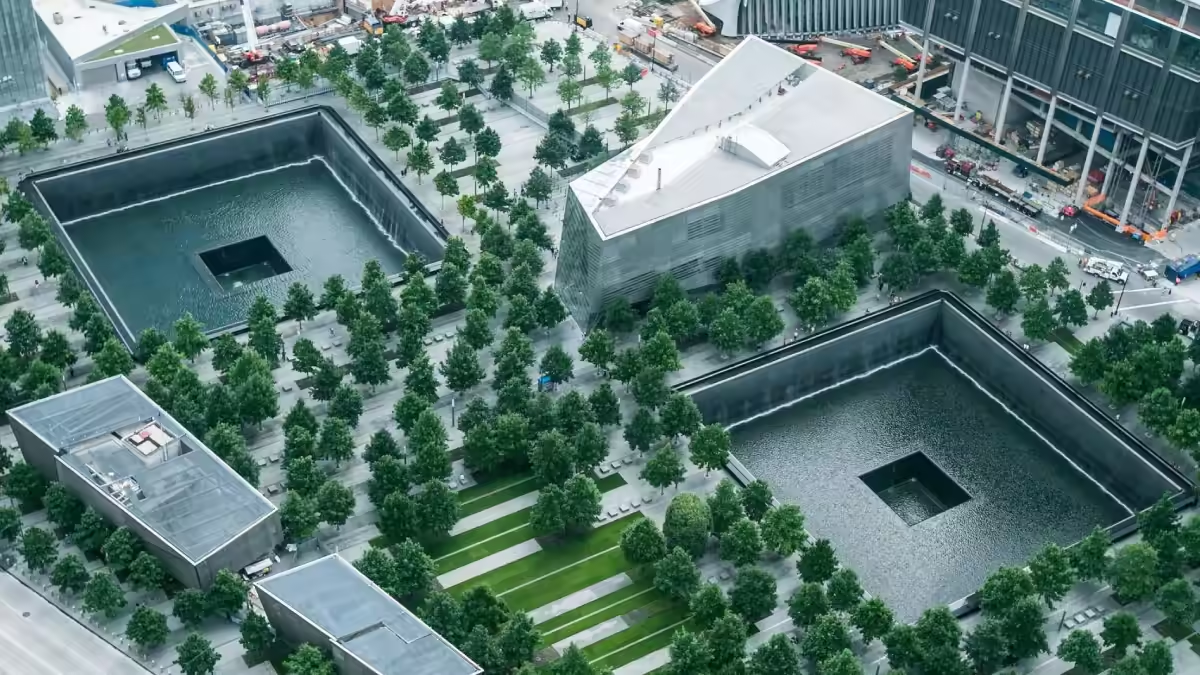
Personal photography is allowed on the outdoor Memorial plaza and in most areas of the Museum. The plaza is a place of mourning, so visitors are asked to photograph the reflecting pools and the names with restraint, avoiding celebratory poses and images of grieving strangers. Inside the Museum, photography is restricted in certain sensitive areas, including the space that honors the victims, and flash and tripods are limited throughout. Commercial or tripod-based shoots require advance permission from the Memorial.
Many visitors want to bring home a photograph of the reflecting pools or the names inscribed in bronze. That is understood and permitted, but this is a site built on loss, and the way a photograph is taken matters as much as whether one is allowed at all. This guide sets out what’s permitted outdoors and inside the Museum, and where care is especially called for.
Photography on the Outdoor Memorial Plaza
Personal photography is allowed on the outdoor Memorial plaza, including the reflecting pools and the inscribed names. The plaza is free and open to everyone, but it is first a memorial to those killed on September 11, 2001, so visitors are asked to photograph it with the same care they would bring to a cemetery. Tripods and commercial photography require permission in advance.
Cameras and phones are permitted throughout the plaza, and most visitors take at least a few photographs of the pools, the Survivor Tree, or a name they came to find. What is asked of visitors is restraint in how those photographs are taken. Avoid smiling or celebratory poses at the edge of the pools or beside the names — for many people standing nearby, this is the closest they can come to visiting a grave. If another visitor appears to be grieving, or is quietly tracing a name with their hand, it is not appropriate to photograph them, even from a distance. Our guide to rules and etiquette covers this same principle as it applies to behavior more broadly on the plaza.
Tripods, monopods, and any filming intended for commercial use are not permitted on the plaza without prior authorization from the Memorial. If you are planning a shoot beyond personal photos and video, contact the official site in advance rather than assuming it will be allowed on arrival.
Photography Inside the Museum
Personal, non-flash photography is generally allowed in most of the Museum’s galleries. It is restricted in certain sensitive spaces, most notably the In Memoriam exhibition that honors the victims, which sits near the office that holds unidentified remains. Flash photography and tripods are limited throughout, and some temporary exhibitions prohibit photography entirely, with signage marking those areas.
The Museum tells the history of the attacks largely through original artifacts, oral histories, and personal belongings, and most of its main galleries permit visitors to take photographs for personal use, without flash. That said, the Museum is also a place that holds the remains of many victims who have never been identified, in a repository not open to the public but located within the building near the In Memoriam space. Out of respect for the families connected to that space, photography is restricted there, and signage will indicate where cameras should be put away. Special or temporary exhibitions sometimes carry their own no-photography rules as well; look for posted notices at the entrance to each gallery.
Flash photography is not permitted anywhere in the Museum, both to protect fragile artifacts and to avoid disturbing other visitors moving through emotionally difficult exhibits. Tripods and monopods are also restricted inside, largely because the galleries can be narrow and crowded. If you are visiting with a tour, our guide to guided tours notes where a docent can tell you in the moment which rooms allow photographs.
A Note on Respectful Photography
The instinct to document a visit is natural, but this site asks something different of its visitors than a typical landmark does. A photograph of the pools or the names can be a meaningful way to remember the visit and honor those who died, but it is worth pausing before taking it: would this image be one you’d be comfortable showing to a family member of someone who was killed that day? That question is a reasonable guide for what to photograph, and how.
Frequently Asked Questions
Is photography allowed at the 9/11 Memorial?
Yes. Personal photography is permitted on the outdoor Memorial plaza, including at the reflecting pools and the inscribed names. Visitors are asked to take photographs respectfully, avoiding celebratory poses and images of other visitors who may be grieving.
Can I take photos inside the 9/11 Museum?
In most galleries, yes, for personal use and without flash. A small number of sensitive spaces, including the exhibition that honors the victims, restrict photography, and some temporary exhibitions prohibit it entirely. Signage at each gallery entrance will indicate the rule for that space.
Why is photography restricted in the In Memoriam exhibition?
The In Memoriam space honors those killed on September 11, 2001, and sits near the repository that holds the remains of victims who have not yet been identified. Photography is limited there out of respect for the victims’ families connected to that space, not because of any general rule against photographing memorial content.
Are selfies allowed at the reflecting pools?
Photographs are allowed at the pools, but the Memorial asks visitors to avoid smiling or celebratory selfies there, since the pools sit in the footprints of the Twin Towers and many visitors come to grieve someone whose name is inscribed nearby. A quieter, more reflective photograph is more appropriate to the setting.
Can I use a tripod at the 9/11 Memorial or Museum?
Not without prior permission. Tripods and monopods are restricted both on the outdoor plaza and inside the Museum, and any commercial photography or filming requires advance authorization from the Memorial through the official site.
Is flash photography allowed in the Museum?
No. Flash photography is not permitted anywhere inside the Museum, to protect artifacts and to avoid disturbing other visitors in exhibits that many find emotionally difficult.
Can I photograph other visitors at the Memorial?
It is best avoided, particularly if someone appears to be grieving or is quietly reading a name. The plaza is a place of mourning for many who visit, and photographing strangers there without their knowledge is not appropriate, even as a background element in a wider shot.
Do I need permission for a professional photo shoot at the Memorial?
Yes. Commercial photography, filming, and any tripod-based shoot require advance permission from the Memorial, arranged through the official site. This applies to both the outdoor plaza and the Museum.
